Gardening Services in Carshalton
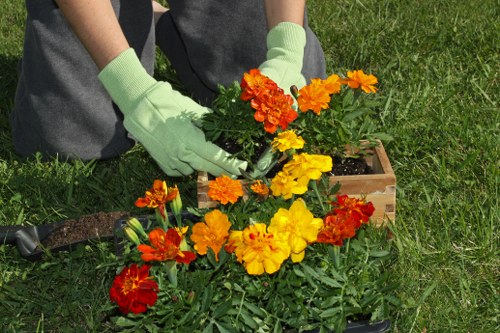
Our gardening services in Carshalton are organised to keep outdoor spaces neat, workable and easy to manage through the seasons. We carry out routine garden maintenance, lawn care, hedge trimming, planting support and clearance work for homeowners, landlords and property managers who want a dependable local service. The emphasis is on practical upkeep: cutting, tidying, reshaping and removing built-up waste so the garden stays in usable condition rather than becoming a long list of unfinished jobs.
We can support one-off visits as well as regular maintenance, depending on how much attention the garden needs. Some spaces only need a seasonal reset, while others benefit from a repeat schedule that keeps growth under control and prevents the work from becoming overwhelming. If you are comparing options, our services overview is a useful starting point for seeing how the main gardening tasks fit together.
For customers looking to request a quotation, the simplest approach is to outline the size of the garden, the jobs you want handled and any access considerations. Clear instructions help us match the work to the right service type, whether that means a straightforward mow and tidy or a more detailed visit involving multiple tasks. If you are ready to discuss a project, you can contact us and ask for the next step.
Routine garden maintenance and seasonal upkeep
Regular garden maintenance is often the most effective way to keep borders, lawns and paths manageable without letting small jobs build up. Our maintenance work can include general tidying, weeding, deadheading, leaf clearance and basic pruning where appropriate. This kind of service suits gardens that need consistent attention rather than major redesign, especially when the aim is to keep everything presentable and safe to use with minimal disruption.
Where growth is more active, seasonal upkeep can make a noticeable difference to the overall finish. In spring and summer, the focus is usually on cutting back soft growth, shaping plants and keeping lawns in order. In autumn, the priorities often shift towards clearing fallen material, managing overgrowth and preparing the space for colder weather. If you need to balance maintenance against a wider landscaping plan, our landscape gardening page explains how larger garden improvements are approached.
Good maintenance is also about choosing the right order of work. A tidy edge line, proper removal of waste and sensible trimming levels can improve the result without leaving plants stressed or the layout looking overworked. Not every garden needs the same treatment, so we tailor the task list to the condition of the space rather than forcing every visit into the same pattern. That approach is useful for gardens with mixed planting, awkward access or a combination of hard and soft landscaping features.
Lawns, hedges and living boundaries

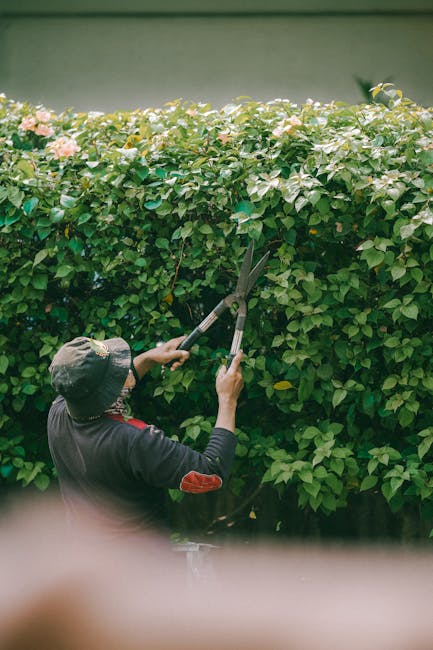
Lawns and hedges are often the most visible parts of a garden, so they benefit from work that is both careful and consistent. Our lawn mowing service can cover routine cutting and finishing, while hedge trimming helps keep boundaries neat and prevents growth from spreading into paths, drives or adjoining planting beds. These tasks are especially helpful when you want the garden to look ordered without moving straight into a full redesign.
Hedges can require different handling depending on their shape, height and density. Some need a simple trim to sharpen the outline, while others need selective cutting to restore balance after a period of unchecked growth. We aim to work with the plant structure rather than stripping it back too hard. Where a hedge has become difficult to manage, or where a boundary plant is no longer suitable for the space, it may be worth reviewing the options on our hedge trimming page before you decide how much work is needed.
Lawns also respond well to regular attention, but the right cut depends on the condition of the grass, the weather and the intended finish. A tidy mowing pattern can improve the appearance of a front garden, a family lawn or a shared outdoor area, while edging and collection of clippings help complete the job neatly. When the grass is working alongside other features such as beds, paving or decking, consistency across those areas matters as much as the mow itself.
Clearing overgrown gardens and removing waste
Some gardens need more than routine care. When borders have become congested, paths are blocked or old growth has been left to accumulate, garden clearance can restore order and make the space easier to use again. This can involve cutting back dense vegetation, removing debris, lifting unwanted material and clearing away waste so the remaining features of the garden are easier to see and manage.
Clearance work is often a practical first stage before maintenance or improvement. If a garden has become hard to access, a careful clearance can reveal what can be saved, what needs pruning and what should be removed altogether. It is also useful for properties being prepared for sale, let, or handed back after a tenancy, where a clean and orderly outdoor area is important. You can review the scope of this service on our garden clearance page if you want to see how it is organised.
The most effective clearance jobs are planned with waste handling in mind. Rather than leaving cuttings piled up, we remove the material as part of the service so the work finishes properly. That matters when the garden includes thorny growth, heavy cuttings or mixed organic waste that would be awkward to deal with separately. A clear result gives you a better base for mowing, planting, trimming or other follow-up work.
Tree work and heavier cutting tasks

Some gardens also need heavier cutting work, particularly where trees or larger shrubs have started to dominate the space. Our tree lopping and removal service is for situations where branches need reduction, dead growth needs taking out or a tree is no longer suitable for its position. This type of work is handled separately from routine tidying because it can affect light levels, access, safety and the overall shape of the garden.
Tree work has to be judged carefully. A smaller crown reduction may be enough in one setting, while another garden may need fuller removal because the tree has outgrown its space or is interfering with structures and planting areas. We approach this work with the aim of preserving a sensible finish and clearing away the arisings so the site is left in good order. For more detail on the scope of this service, our tree lopping and removal page is the best place to start.
In some cases, tree work sits alongside hedge trimming or wider clearance rather than standing alone. That is why it helps to identify what is genuinely required before the visit, especially if you have branches overhanging paths, dense self-seeded growth or a tree that is affecting nearby planting. Careful reduction is often better than unnecessary removal, but there are also times when taking a tree out is the most practical answer for the garden as a whole.
Landscape gardening and garden improvements
Landscape gardening covers improvements that go beyond upkeep and into the shape, function and presentation of the outdoor space. This may include reworking borders, renewing planting areas, altering the balance between soft and hard landscaping, or carrying out a broader refresh of the garden’s layout. The aim is to make the space more coherent and easier to manage while keeping the work rooted in what the site actually needs.
For some customers, landscaping starts with practical issues such as awkward access, poor drainage, tired surfaces or areas that no longer suit the way the garden is used. For others, it is about creating a cleaner layout around existing features. We can talk through the difference between simple maintenance and more involved improvement work so the right kind of service is chosen from the outset. If you want to see the broader options, our landscaping page sets out the main direction of that work.
Useful landscaping decisions often come down to sequence: what should be cleared first, what can be retained, and which elements will improve the garden most once the basic structure is sorted out. A sensible plan may begin with tidying, then move to planting changes, then finish with surface and edging work. That order helps avoid spending on decorative changes before the practical groundwork has been handled properly.
About Carshalton
Carshalton is a historic suburb in the London Borough of Sutton, in south-west London, with a long-established village centre built around ponds, green spaces and older buildings that reflect its past as a settlement on the edge of the Surrey landscape. Carshalton Ponds, fed by springs and linked to the River Wandle system, are among the best-known features of the area and give the centre a distinctive water-led character. The village conservation area includes a number of listed buildings, showing how much of the older street pattern and architectural fabric has been retained alongside later development. Nearby, Carshalton Park provides an important open space, while the nearby grounds of Wilderness Island offer another reminder of the locality’s varied green setting. The area also has strong cultural and community associations, with churches, schools and local gathering places contributing to its identity over time. Its position between Sutton, Wallington and other parts of south London means that it sits within a wider urban network, yet it still retains a recognisable centre of its own. The combination of ponds, historic buildings, mature trees and accessible open spaces gives Carshalton a character that is both residential and traditionally village-like, making it one of the more distinctive places in the borough.
Decking, surface edges and adjoining garden features

Many gardens work best when the planted areas and the built features are looked at together. Decking, edge lines, path borders and adjacent beds all affect how neat the space feels once the core gardening work has been completed. Our decking services support gardens where a timber or composite area needs installing, refreshing or integrating with the rest of the layout so the outdoor space works as a whole rather than as separate pieces.
A deck may be the main social area in a garden, a transition between the house and the lawn, or a practical surface that helps with access in wetter conditions. The surrounding planting and finishing details matter because overgrown edges or cluttered borders can make even a good surface look untidy. If you are considering work in this area, our decking services page explains the service more directly and shows how it can sit alongside wider garden improvements.
When decking or similar features are part of the plan, it helps to think about how maintenance will continue afterwards. Timber edges, stepped levels and nearby planting all need a finish that is tidy enough to keep but not so dense that it creates unnecessary maintenance. The best result usually comes from balancing appearance with day-to-day practicality, especially where the garden needs to remain easy to move through and simple to maintain.
What to tell us when you ask for a quotation
To prepare a quotation properly, it helps to know what kind of gardening work is needed, how large the space is and whether the job is regular or one-off. A short description is usually enough to begin with, but details such as overgrown areas, waste removal, restricted access or mixed tasks make the assessment more accurate. If you have several jobs in mind, listing them clearly helps the quote reflect the actual workload rather than a rough guess.
For more involved visits, it can also help to say whether there are features that should be treated carefully, such as young plants, established shrubs, slopes, paved areas or shared access routes. Photographs can be useful when they are available, especially for clearance or hedge work, because they show the condition of the garden and the scale of the task. When you are ready to compare costs or understand how the work is priced, our pricing and quotes page gives a useful overview.
Simple information at the start usually leads to a better discussion later. If you are unsure how to describe the job, focus on the result you want: tidier beds, a cut lawn, reduced hedge height, cleared waste or a combination of those things. Then you can request a quotation with a clearer picture of the service you actually need, rather than trying to fit the garden into a generic template.
Practical choices for a tidy and manageable garden
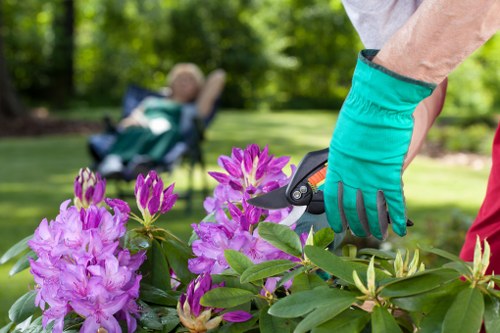
Different gardens need different levels of attention, so the best service is often the one that matches the current condition of the space. A well-kept garden may only need mowing and light trimming, while a neglected plot could require a mix of clearance, hedge work, pruning and waste removal. Choosing the right combination avoids paying for work that is not needed and helps the finished result stay sensible and maintainable.
It can also be useful to think about how the garden will be used after the work is done. A family lawn, a courtyard, a rental property or a front garden with visible boundaries may each benefit from a different balance of mowing, shaping, clearance and finishing touches. If you are ready to go ahead, please contact us to arrange the next step and discuss the scope of the job in plain terms. We can then help you decide whether the work is best handled as maintenance, clearance or improvement.
For larger plans, it is often worth separating the immediate tidy-up from longer-term landscaping or planting changes. That keeps the job practical and makes it easier to see which tasks should happen first. If you want a straightforward starting point, ask for a quote, tell us what the garden needs and use the service pages to compare the different options before you commit. Request a quotation when you are ready to move forward.